WHAT THE 3DIVERSE PROJECT TAUGHT US ABOUT DISTRICT HEATING TRANSITION AND INTEGRATED ENERGY PLANNING?
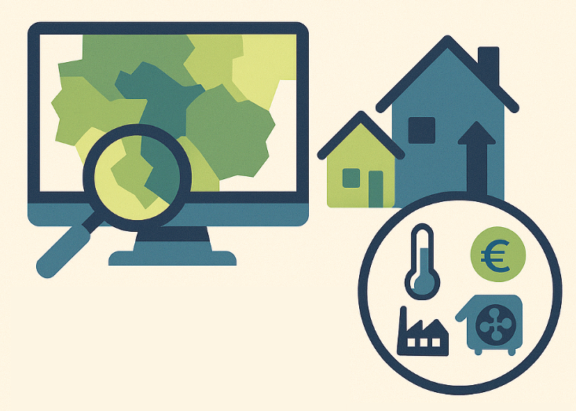
The 3DIVERSE project explored how integrated cross-sector planning, digital tools, and collaboration between stakeholders can support the transition to sustainable energy systems in regions dependent on coal for energy production.
The 3DIVERSE project explored how integrated cross-sector planning, digital tools, and collaboration between stakeholders can support the transition to sustainable energy systems in regions dependent on coal for energy production.
Implemented in Slovenia’s Savinjsko–Šaleška Valley, one of Europe’s coal phase-out regions, the project brought together researchers, municipalities, utility providers, and other regional actors to address the transformation of district heating and the wider energy system.
Consortium summarised the key lessons learned and recommendations from the project and highlights insights that can support other regions planning similar transitions.
START WITH STAKEHOLDERS, NOT TECHNOLOGY
Energy transition projects are more likely to succeed when all relevant stakeholders are involved from the beginning. Early collaboration between utilities, municipalities and local institutions helps align priorities, build trust and reduce risks during implementation.
Key takeaways:
- Map stakeholders early and continuously
- Establish a regular working rhythm (e.g., monthly or bi-monthly check-ins) and feedback loops with stakeholders
- Review modelling assumptions and intermediate results together
USE AN ITERATIVE APPROACH TO PLANNING AND COORDINATION
Energy transition planning is not a one-off study. Analytical work and policy priorities must evolve together through continuous feedback loops between technical experts and decision-makers.
Key takeaways:
- Use modelling results to guide discussions
- Adjust plans as new data or constraints emerge
- Treat planning as a living process
PLAN ACROSS SECTORS, NOT IN SILOS
District heating, electricity systems, building renovation and mobility electrification are interconnected. Considering these sectors together helps identify synergies and prevents fragmented investments.
Key takeaways:
- Use shared assumptions across sectors
- Coordinate planning teams
- Develop integrated investment pathways
DON’T WAIT FOR PERFECT DATA
Many existing energy systems lack detailed datasets. Flexible tools that work with incomplete data can still support decision-making and help identify priority investments.
Key takeaways:
- Start with a minimum dataset
- Use data-light analytical tools
- Validate results with operational data
USE TECHNICAL DIAGNOSTICS TO GUIDE INVESTMENT DECISIONS
Technical analysis of district heating networks can reveal inefficiencies and structural weaknesses. Understanding heat losses, network conditions and demand helps prioritise upgrades and investments.
Key takeaways:
- Combine modelling and field measurements
- Identify loss hotspots
- Use diagnostics to inform planning
PREPARE EARLY FOR IMPLEMENTATION AND INVESTMENT
The biggest challenge often comes after the analysis is done. Converting technical results into investment-ready projects requires documentation, approvals, financing discussions and coordination between institutions.
Key takeaways:
- Prepare implementation documentation early
- Standardise project templates
- Engage procurement and finance teams
COMMUNICATE LOCALLY AND MANAGE EXPECTATIONS
Effective communication in energy transition projects goes beyond general outreach. Messages should be grounded in the local context and delivered through trusted local actors who understand community concerns. Clearly explaining what the project can and cannot deliver helps avoid misunderstandings and builds long-term trust.
Key takeaways:
- Work with trusted local actors
- Adapt messages to the local context
- Be transparent about scope and outcomes of the project